There is not much to Murghab. Originally called Pamirsky Post, it was built by the Tsarist Russians as a military garrison for controlling the Great Game. Why anyone should care about controlling this desolate region is beyond me, but the British were paranoid about its proximity to India, making it hot in the late 19th century. History abounds with shadowy “scientific” and “hunting” expeditions into this area.
With no hotels or guesthouses, travelers stay in private home stays. Ours was run by a friendly grandmother named Yrys. She cooked us good meals, giving a lie to the reports from some bicyclists had told us that there was little food to be had. Perhaps the bicyclists were staying in tents and living on Snickers bars from the market.
We hired a different driver named Tatik to take us the rest of the way, and he was much better than the sullen man who brought us across the border. Tatik spoke good English, Russian and four local languages, and he had good suggestions for things we could do along the way. We agreed we would spend a couple days on adventures in the area before proceeding further down the Pamir Highway.
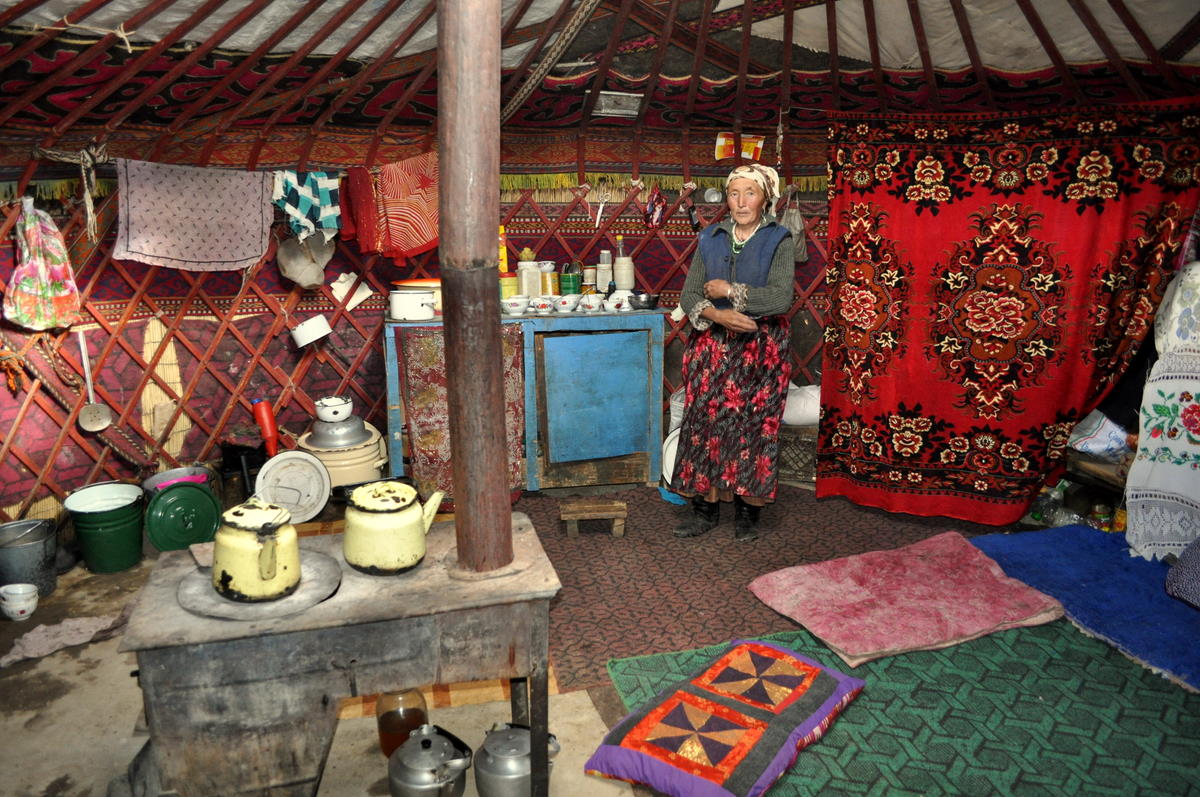
Our first was a dayhike across a mountain pass to the west of Murghab. The pass was higher and steeper than we expected, and we were very tired by the end of the long descent. The trail would have normally required another eight kilometers, but Tatik was able to drive up the jeep track to a shepherd's yurt, where we had stopped for tea. We were happy to see him.
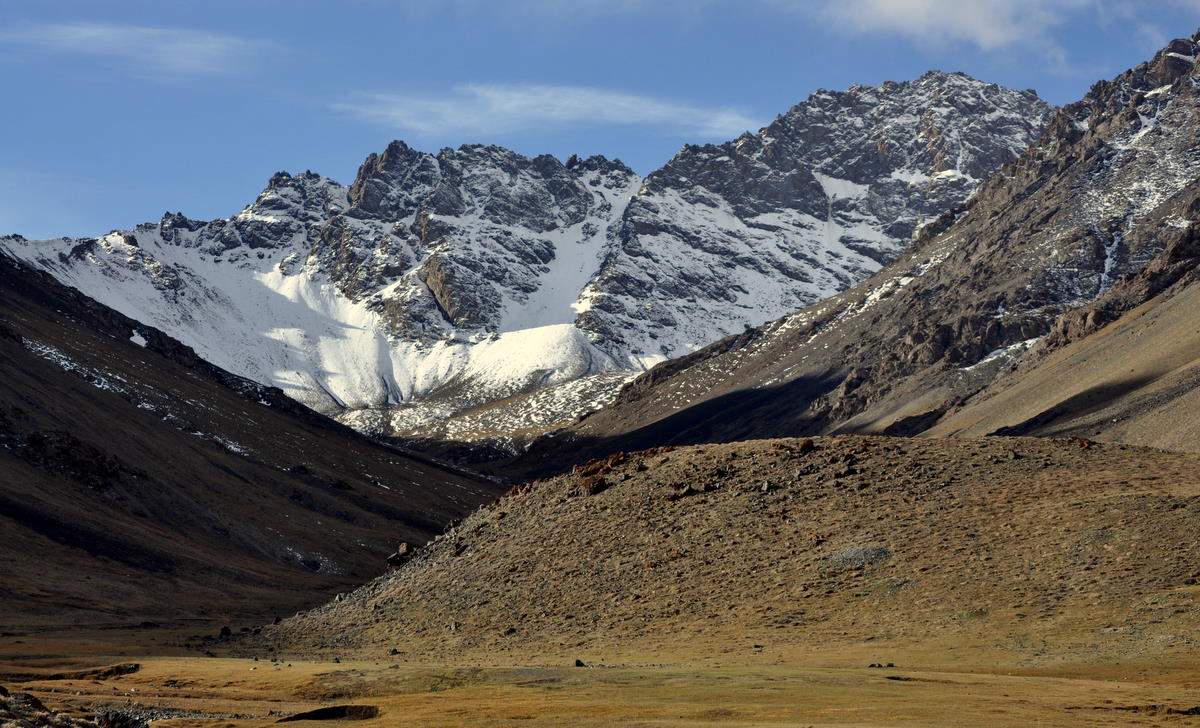

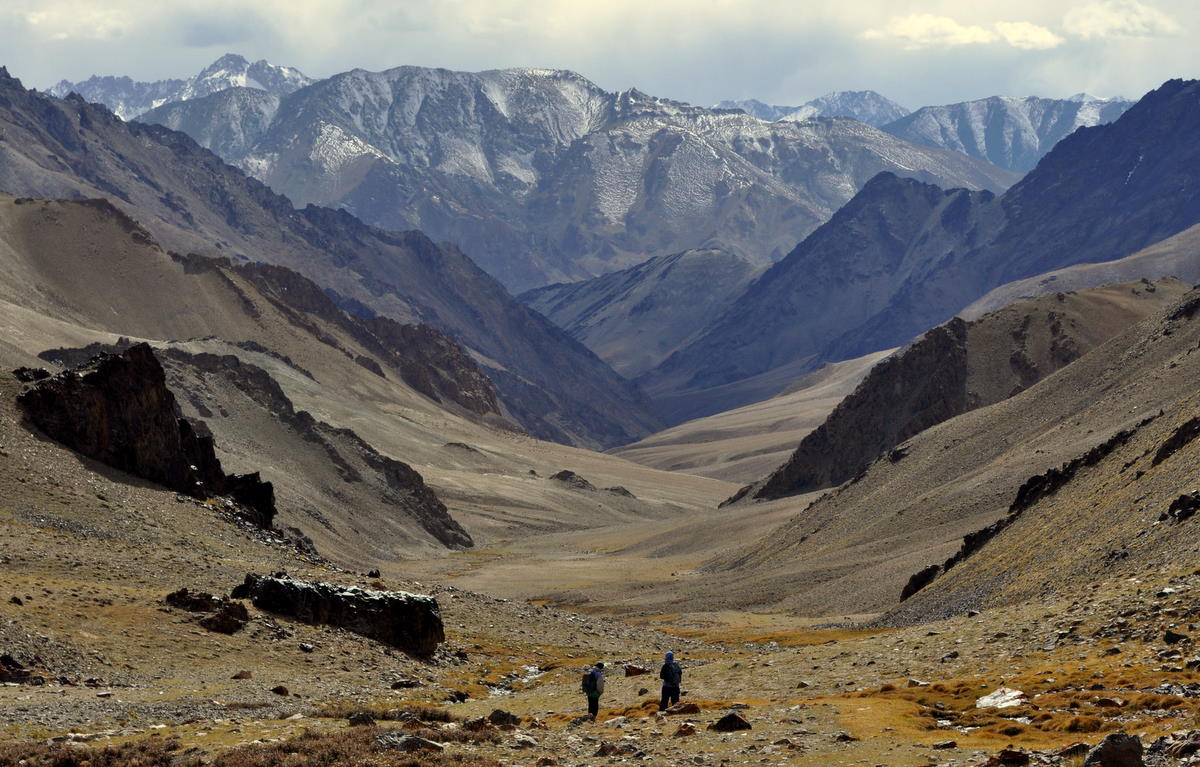

The next day was a driving trip down to the town of Shaimak at the end of the road in the southeastern corner of the country. Shaimak is at the east end of the Little Pamir, an isolated valley that branches off the far end of Afghanistan's Wakhan Corridor, the narrow buffer zone that British and Tsarist Russian empires finally agreed to add so that their lands would never actually touch. Readers of Greg Mortenson's Stones into Schools will also recognize the Little Pamir as the location of the “last best school” in Bozai Gumbaz, an Afghan settlement so isolated that it took days for yak teams to haul in building materials. Because the route is easier from the east where the Little Pamir passes back into Tajikistan, they got special permission to drive a truck across this normally closed border. We of course had no such permission and stopped before the border.


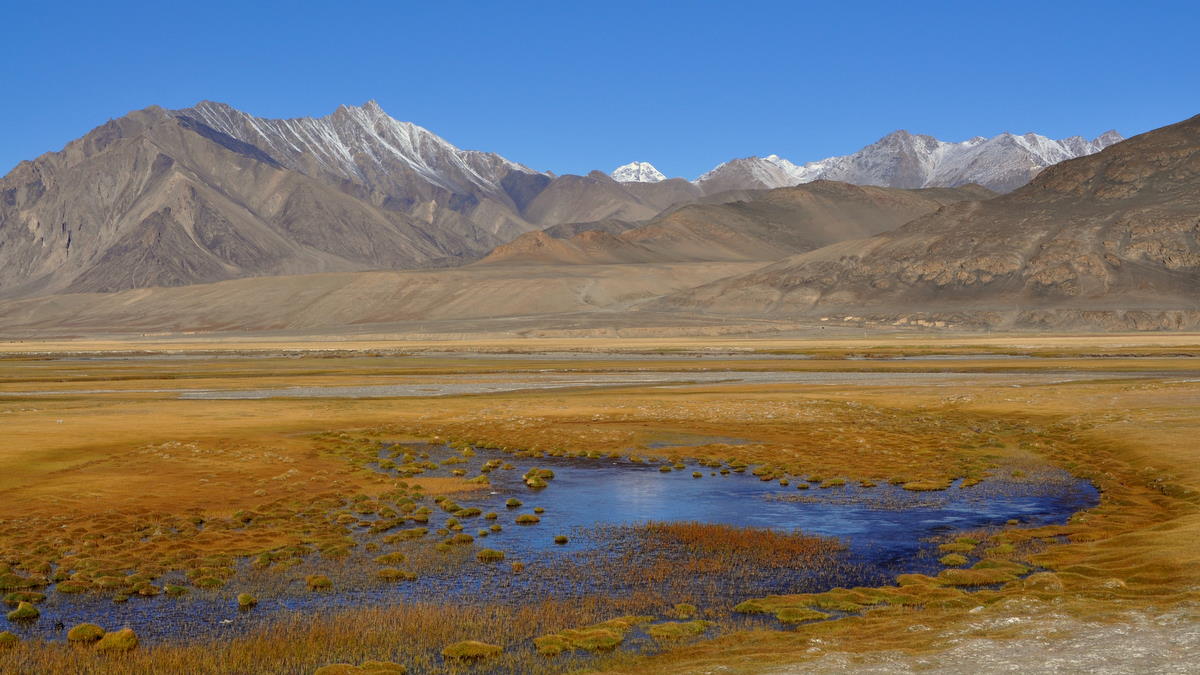
Although the Pamirs were mostly uninhabited until the Russians came, there had been prehistoric settlements. Near the border was a Saka (Scythian) tomb at least 2000 years old. Petroglyphs and geoglyphs are still visible in many places.


Shaimak also has a lovely town mosque serving the mostly Kyrgyz community, who are nominally Sunni. Apart from the Kyrgyz, most Pamiris follow the Ishmaili branch of Islam, in which people just pray in their own houses. Ishmailis revere the Aga Khan as the 49th in a continuous series of imams stretching back to Mohammed's son-in-law Ali. The current Aga Khan is a westernized philanthropist who deserves credit for the food aid and development in the region, which has been otherwise neglected by the central government in retaliation for having taken the wrong side of the post-independence civil war.