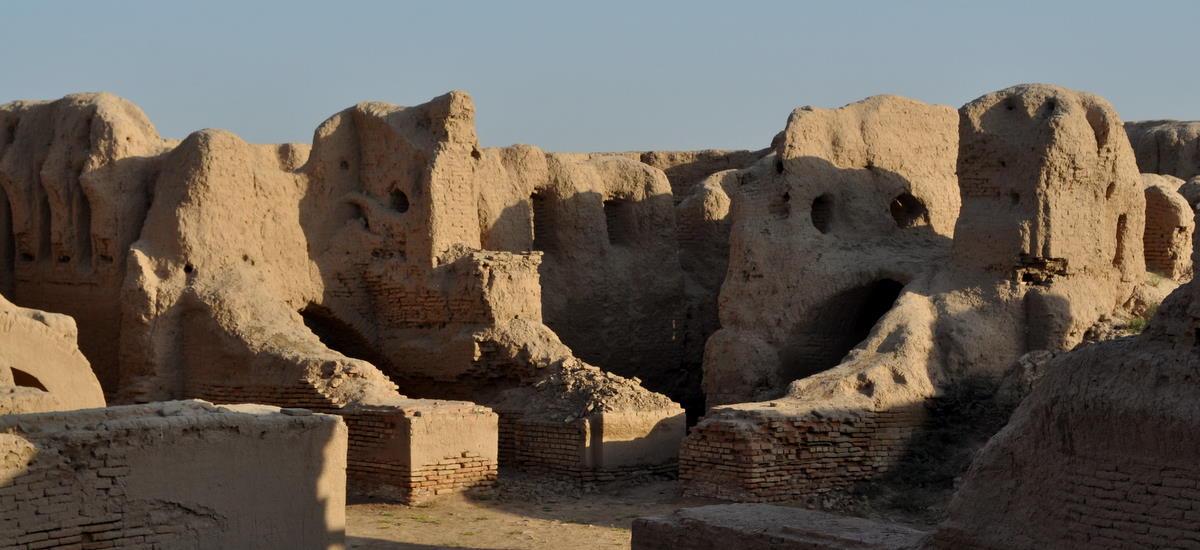
Out of the way and without major tourist sites, Termiz is skipped by most visitors unless they are trying to cross the bridge over the Amu Darya (Oxus) River into Afghanistan. We weren’t going to do that, but we wanted to visit anyway because of a museum and a handful of historical sites in the area.
Termiz was as close to ancient Bactria as we were going to get. Bactria’s center was Balkh 100 kilometers (60 miles) to the south across the rolling fields of northern Afghanistan. But it was not safe and probably not very interesting anyway, because Balkh has apparently been ruined even more than ancient Merv.
Our first stop was the town’s historical museum, which had a few interesting artifacts from the stone age through the present. The most interesting were from the Kushan period of the first through fourth centuries CE. This was a Buddhist culture that spilled over the mountains from India, and it was obviously a melting pot of Indian and European cultures and ethnicities.
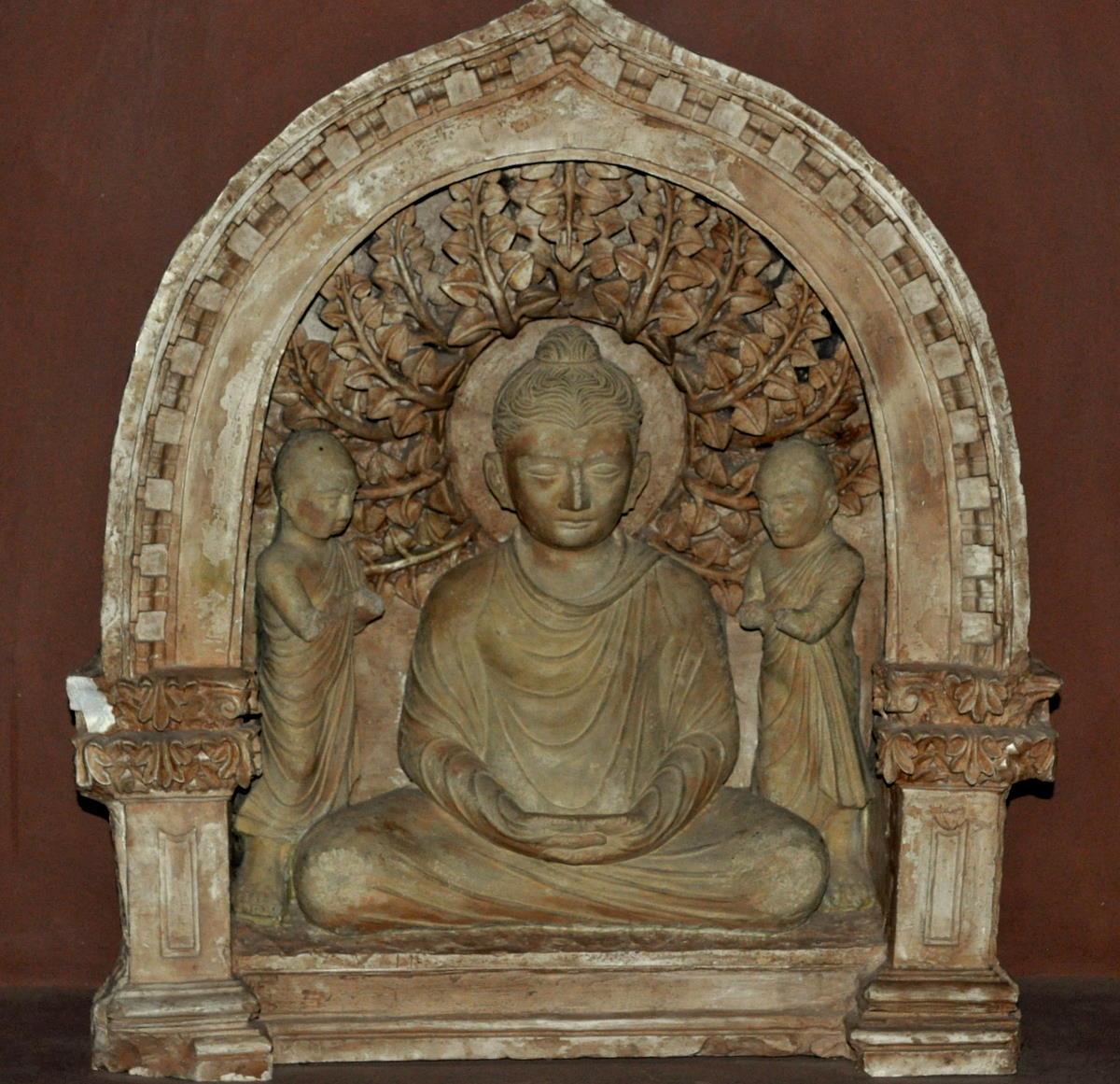
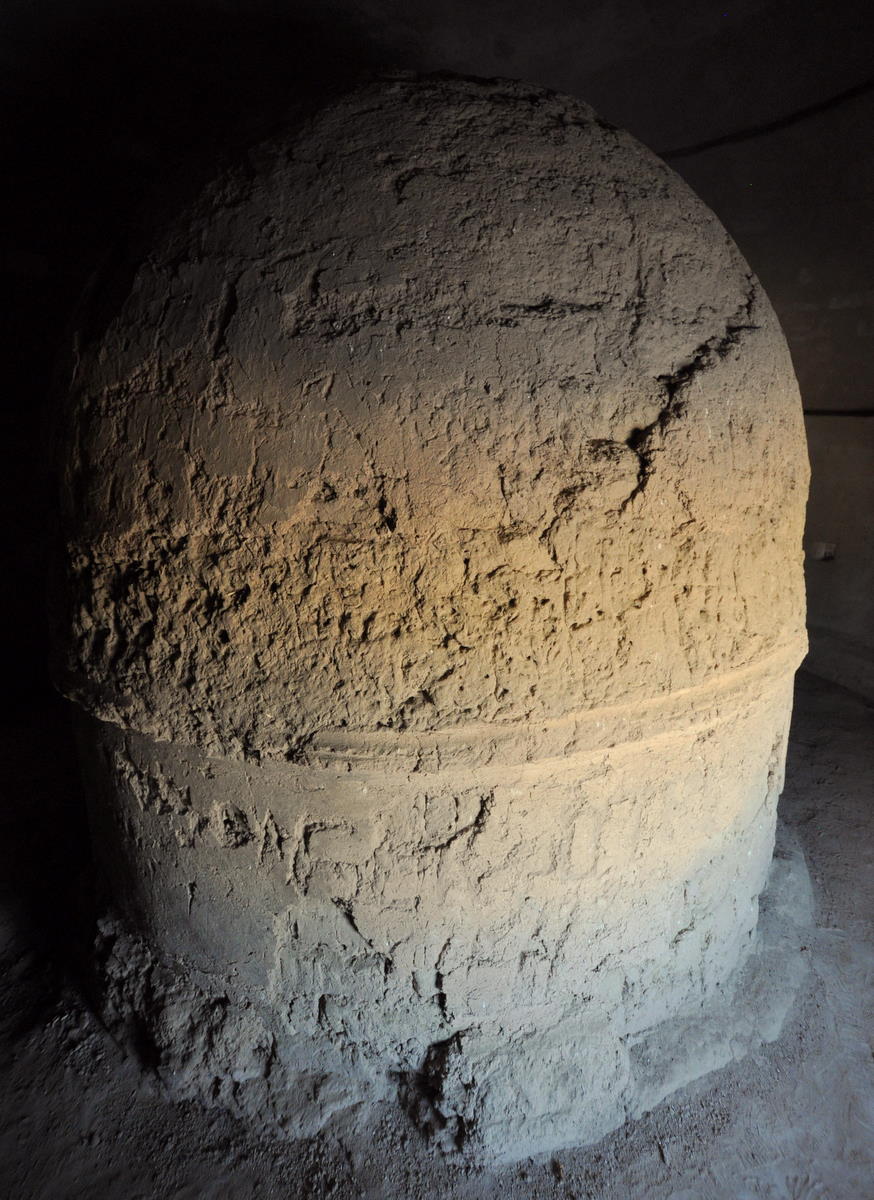 This was all the more obvious at the ruins of Fayoz-Tepe. A large Buddhist complex on the edge of the ruined Old Termiz, the temple had a remarkable early Buddhist stupa preserved under a dome that approximated one that might have been there in the past. Nearby, a UNESCO-supported museum contained a copy of a complete Buddha sculpture, which still showed signs of Greek influence in the flowing robe that covered the body. Buddhist iconography would not be codified until several centuries later when the religion reached China.
There was a much larger Buddhist stupa in a field a few kilometers away. This one may have been over 2000 years old and it stood 20 meters (65 feet) tall.

Termiz also has some more recent monuments. A mausoleum to the 9th-century Sufi philosopher Al-Hakim al-Termizi drew brightly clad pilgrims.
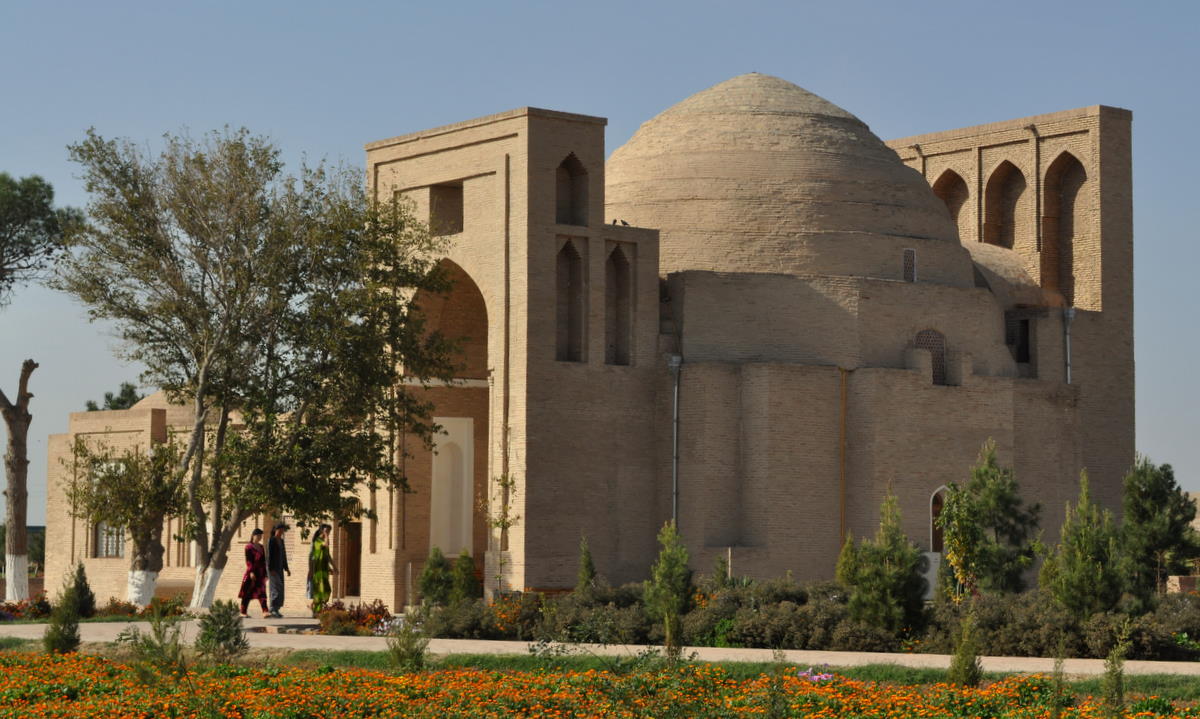
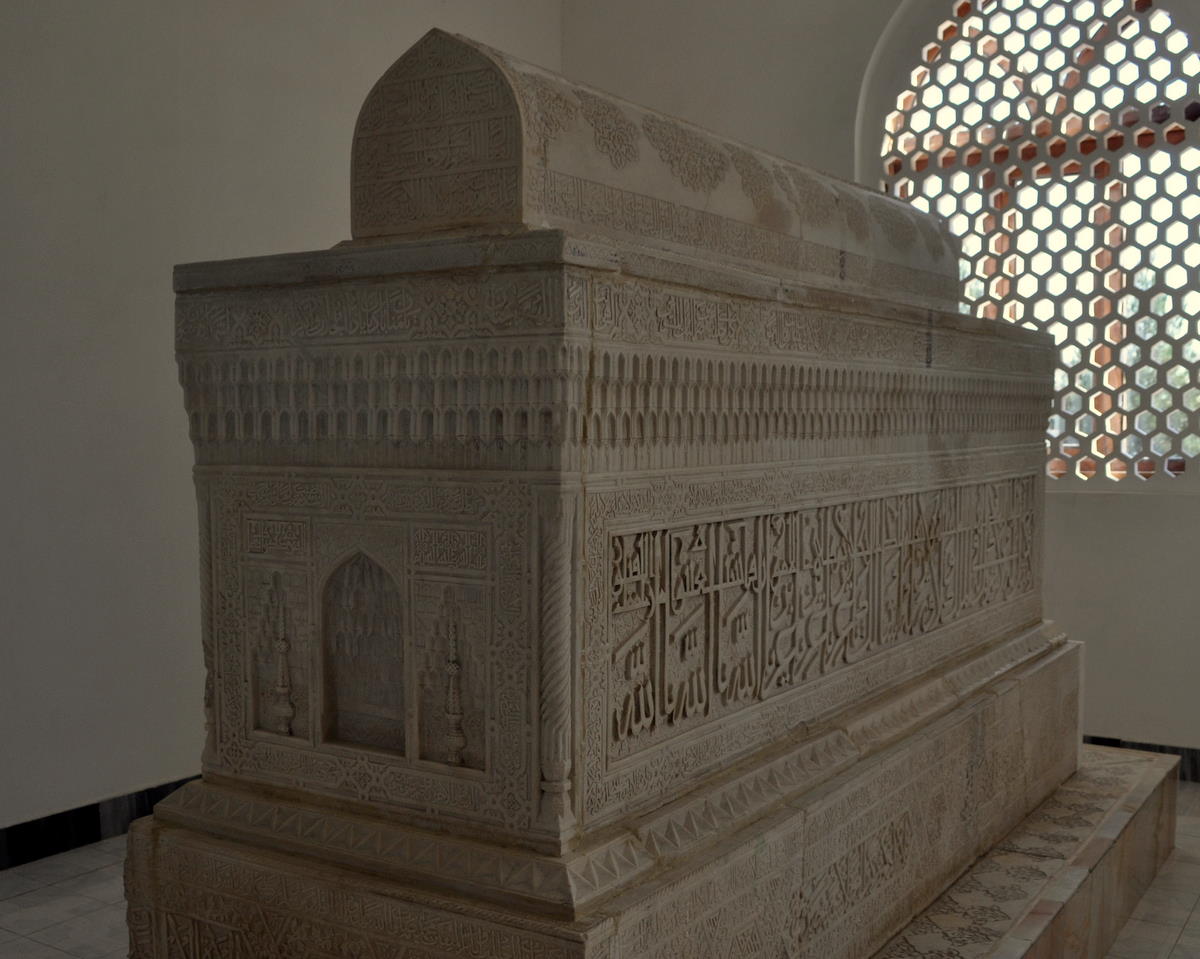
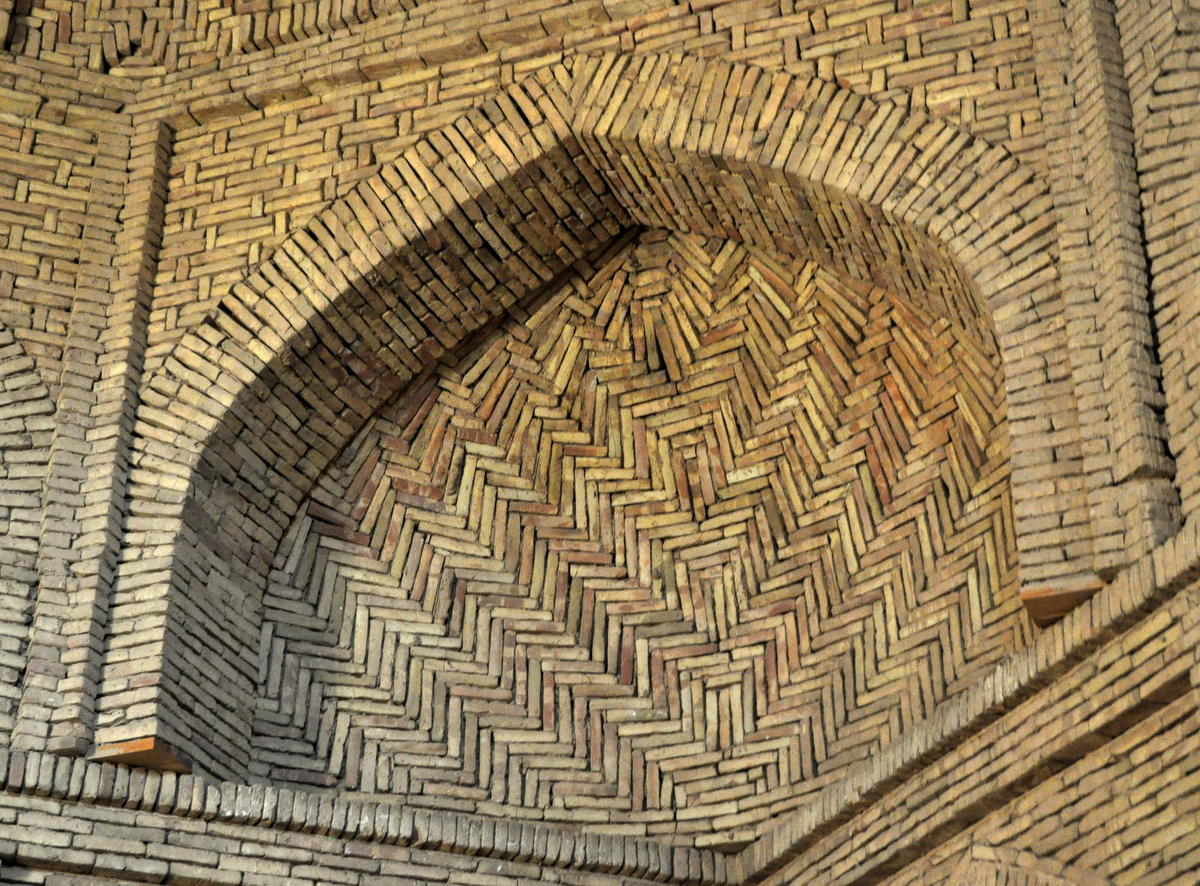
Another 12th-century mausoleum contained some interesting brickwork in the corner arches.
A medieval castle lay crumbling nearby.